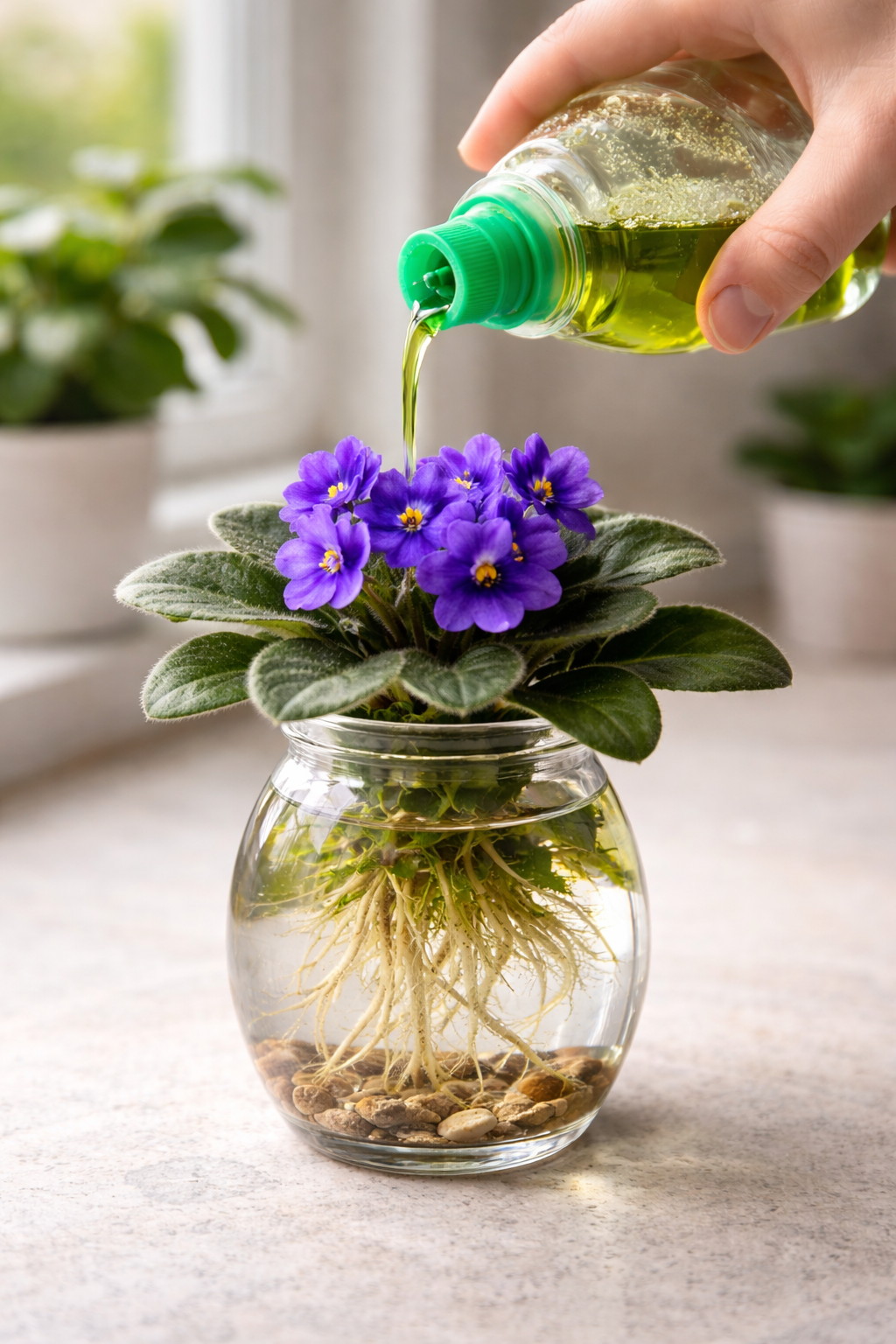
African Violet: How to Grow, Care, and Use Green Fertilizer for Long-Lasting Blooms
African violets are among the most popular indoor flowering plants in the world. They are compact, elegant, and capable of blooming almost year-round when cared for correctly. Their soft leaves and vivid flowers make them ideal for modern interior decor, small apartments, and bright living spaces.
This complete guide explains how to grow African violets, how to care for them properly, and how to use green liquid fertilizer safely to support healthy growth and continuous flowering.
Why African Violets Are Perfect Indoor Plants
African violets are highly valued because they:
- Bloom frequently indoors
- Thrive in indirect light
- Stay small and decorative
- Enhance home ambiance naturally
They are widely used in luxury indoor plant styling, home decor ideas, and low-maintenance houseplant collections.
Best Light Conditions for African Violets
African violets need:
- Bright, indirect light
- No direct sunlight on leaves
Best placement:
- East-facing windows
- Bright rooms with filtered light
Too much sun causes leaf burn, while low light reduces flowering.
Ideal Soil and Pot Setup
Use:
- Light, well-draining potting mix
- Soil formulated for flowering houseplants
Pots should:
- Have drainage holes
- Be slightly smaller than the plant
African violets bloom best when slightly root-bound.
Watering African Violets the Right Way
Watering mistakes are the main reason African violets fail.
Correct method:
- Use room-temperature water
- Water from the bottom when possible
- Keep soil lightly moist, never soggy
Avoid:
- Cold water
- Water on leaves
- Standing water in the pot
Consistent moisture supports healthy roots and strong blooms.
Can African Violets Grow in Water?
Yes, African violets can be rooted in water:
- Leaf cuttings root easily in glass jars
- Roots form within weeks
However:
- Long-term growth is better in soil
- Water propagation is best for starting new plants
This technique is popular in indoor plant propagation projects.
Green Liquid Fertilizer for African Violets
African violets respond very well to green liquid fertilizer when used correctly.
Benefits:
- Encourages frequent flowering
- Strengthens root systems
- Supports leaf color and structure
Choose:
- Balanced liquid fertilizer
- Low nitrogen, higher phosphorus formula
This type of fertilizer is widely used in premium indoor gardening.
How to Apply Green Fertilizer Safely
Dilution is critical.
Recommended method:
- Mix fertilizer at half the label strength
- Apply every 2–3 weeks during active growth
Apply only:
- To moist soil
- During spring and summer
Reduce feeding in winter when growth slows.
Signs Your African Violet Likes the Fertilizer
Positive signs include:
- New flower buds
- Rich green leaves
- Compact, symmetrical growth
These indicate proper nutrient absorption.
Signs of Over-Fertilizing
Stop fertilizing if you see:
- Leaf curling
- White crust on soil
- Weak or soft stems
Flush soil with plain water to reset nutrient levels.
Temperature and Humidity Needs
African violets prefer:
- Temperatures between 65–75°F (18–24°C)
- Moderate humidity
Avoid:
- Cold drafts
- Heaters or air conditioners nearby
Stable conditions improve flower longevity and plant health.
Pruning and Maintenance
Regular care includes:
- Removing spent flowers
- Trimming damaged leaves
- Rotating the pot for even growth
This keeps the plant balanced and visually appealing.
African Violets in Home Decor
African violets are perfect for:
- Minimalist interiors
- Office desks
- Bedroom shelves
- Decorative windowsills
Their compact size and rich colors make them ideal for interior design with plants and luxury indoor decor.
Final Thoughts
African violets are rewarding, elegant houseplants that thrive with simple care. Proper light, gentle watering, and green liquid fertilizer applied in moderation can keep them blooming for months at a time.
With the right routine, African violets become a centerpiece of high-end indoor plant collections, offering beauty, color, and natural charm in any home.