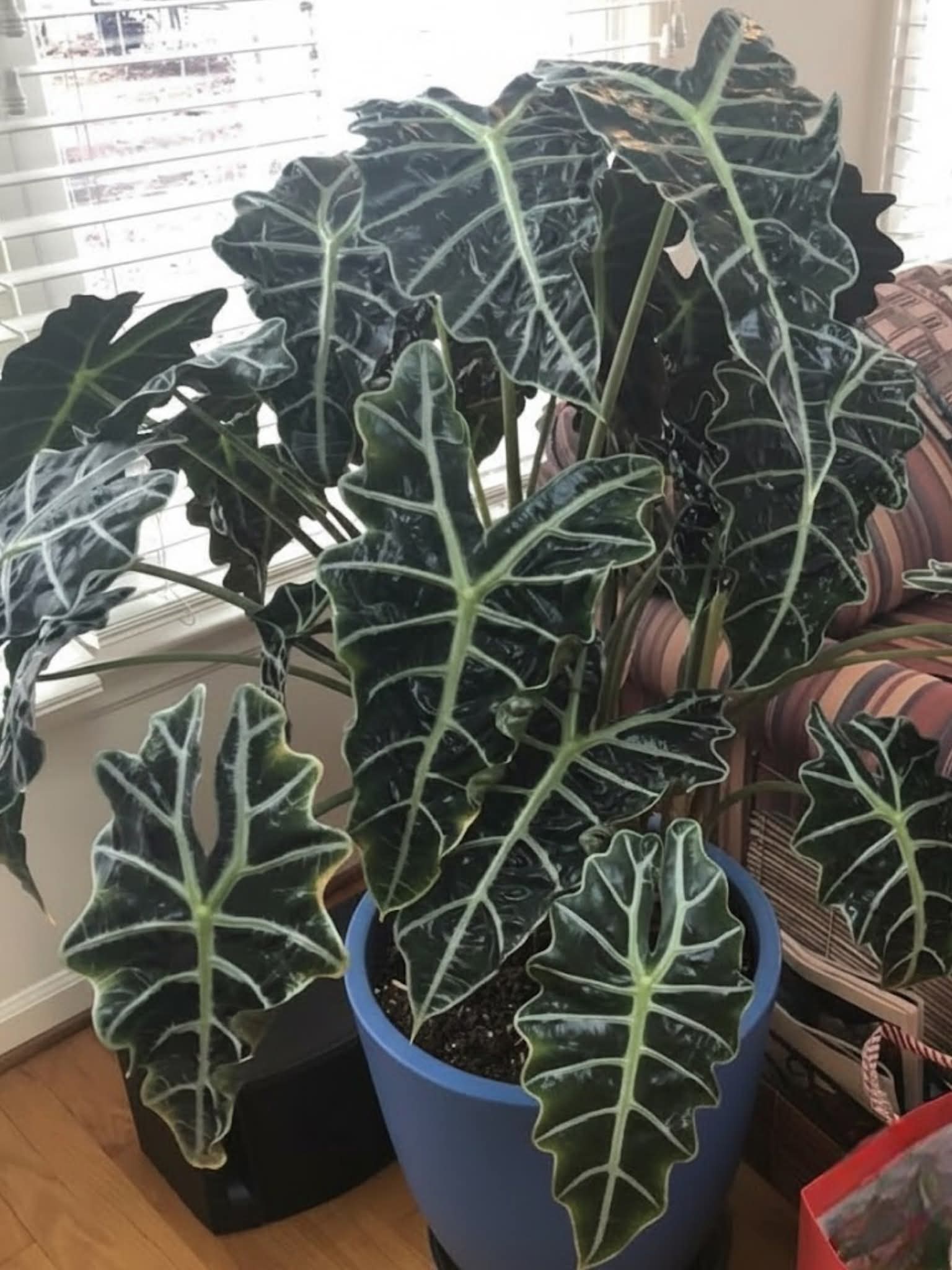
How to Grow Alocasia Polly (African Mask Plant) Indoors
Alocasia Polly, also known as the African Mask Plant, is one of the most dramatic indoor plants you can grow. Its deep green, arrow-shaped leaves with bold white veins make it a favorite for luxury interior décor, modern homes, and plant collectors. While it looks exotic, Alocasia Polly can thrive indoors when its basic needs are met.
This complete guide explains how to grow, care for, and maintain Alocasia Polly, even if you’re a beginner.
What Makes Alocasia Polly Special?
Alocasia Polly is prized for:
- Striking, sculptural foliage
- Compact size (ideal for indoor spaces)
- High visual impact for home styling
- Air-purifying qualities
Because of its bold appearance, it’s often used as a statement houseplant in living rooms and bright interiors.
Light Requirements (Most Important)
Alocasia Polly needs bright, indirect light.
Best placement:
- Near an east- or north-facing window
- Bright room with filtered sunlight
- Avoid direct sun (causes leaf burn)
Low light will slow growth and reduce leaf size, while harsh sun can scorch the leaves.
Watering Alocasia Polly Correctly
This plant likes consistently moist soil, but never soggy.
Watering tips:
- Water when the top 2–3 cm of soil feels dry
- Use room-temperature water
- Ensure excess water drains out
- Never let the pot sit in standing water
Overwatering is the most common cause of root rot in Alocasia Polly.
Best Soil for Alocasia Polly
Well-draining soil is essential.
Ideal soil mix:
- High-quality indoor potting soil
- Perlite or pumice for drainage
- A small amount of orchid bark or coco coir
This mix keeps roots aerated while holding enough moisture.
Humidity: The Secret to Healthy Leaves
Alocasia Polly is a tropical plant and loves humidity.
Ways to increase humidity:
- Use a humidifier
- Group plants together
- Place the pot on a pebble tray
- Light misting (avoid soaking leaves)
Low humidity causes:
- Brown leaf edges
- Curling leaves
- Slower growth
Temperature Preferences
Alocasia Polly thrives in warm indoor temperatures.
Ideal range:
- 18–27°C (65–80°F)
- Avoid cold drafts and AC vents
- Keep away from heaters in winter
Cold stress can cause leaf drop.
Fertilizing Alocasia Polly
During active growth, this plant benefits from light feeding.
Fertilizer tips:
- Use a balanced liquid houseplant fertilizer
- Dilute to half strength
- Feed every 4 weeks in spring and summer
- Stop fertilizing in winter
This supports strong leaf growth and vibrant color.
Repotting Alocasia Polly
Repot every 1–2 years or when roots outgrow the pot.
Signs it’s time to repot:
- Roots circling the pot
- Water drains too quickly
- Growth slows despite proper care
Choose a pot only slightly larger than the current one.
Common Problems and Solutions
Yellow Leaves
- Overwatering
- Poor drainage
- Low light
Brown Leaf Edges
- Low humidity
- Inconsistent watering
Drooping Leaves
- Cold temperatures
- Root stress
Correcting conditions usually restores the plant quickly.
Does Alocasia Polly Go Dormant?
Yes. In cooler months, Alocasia Polly may:
- Stop growing
- Lose one or two leaves
This is normal. Reduce watering slightly and resume normal care in spring.
Is Alocasia Polly Pet-Safe?
No. Alocasia Polly is toxic to pets and humans if ingested. Keep it out of reach of cats, dogs, and children.
Final Thoughts
Alocasia Polly is a stunning indoor plant that rewards proper care with dramatic foliage and elegant growth. With the right light, humidity, and watering routine, it becomes a long-lasting centerpiece for modern interiors.
If you’re looking for a high-impact houseplant with luxury appeal, Alocasia Polly is one of the best choices you can grow indoors.