🌿 Snake Plant Propagation Secrets: The Cutting Method That Multiplies Your Plants Faster (Step-by-Step Guide)
Snake plants are known for being nearly indestructible, but what many indoor gardeners don’t realize is that a simple cutting technique can multiply your plants much faster than traditional methods. With the right care routine, proper lighting, and smart placement, leaf cuttings can turn into strong new plants that look perfect in modern interior spaces.
This guide explains how to propagate snake plants step-by-step, why the cutting method works, and how designers use healthy snake plants to elevate decor and modern home styling.
🌱 Why the Leaf Cutting Method Works So Well
Snake plants store moisture inside their thick leaves. When a healthy leaf section is placed in the right conditions, it slowly develops roots and new growth from the base.
Many growers notice faster success when they focus on:
- Clean, angled cuts
- Bright indirect light
- Well-draining soil or water propagation
Some indoor gardeners even combine proper care adjustments with smart plant watering devices or compact indoor grow light setups to support stronger root development during propagation.
🪴 Step-by-Step Snake Plant Cutting Method
1️⃣ Choose a Healthy Leaf
Pick a mature leaf with firm texture and strong color. Avoid soft or damaged sections.
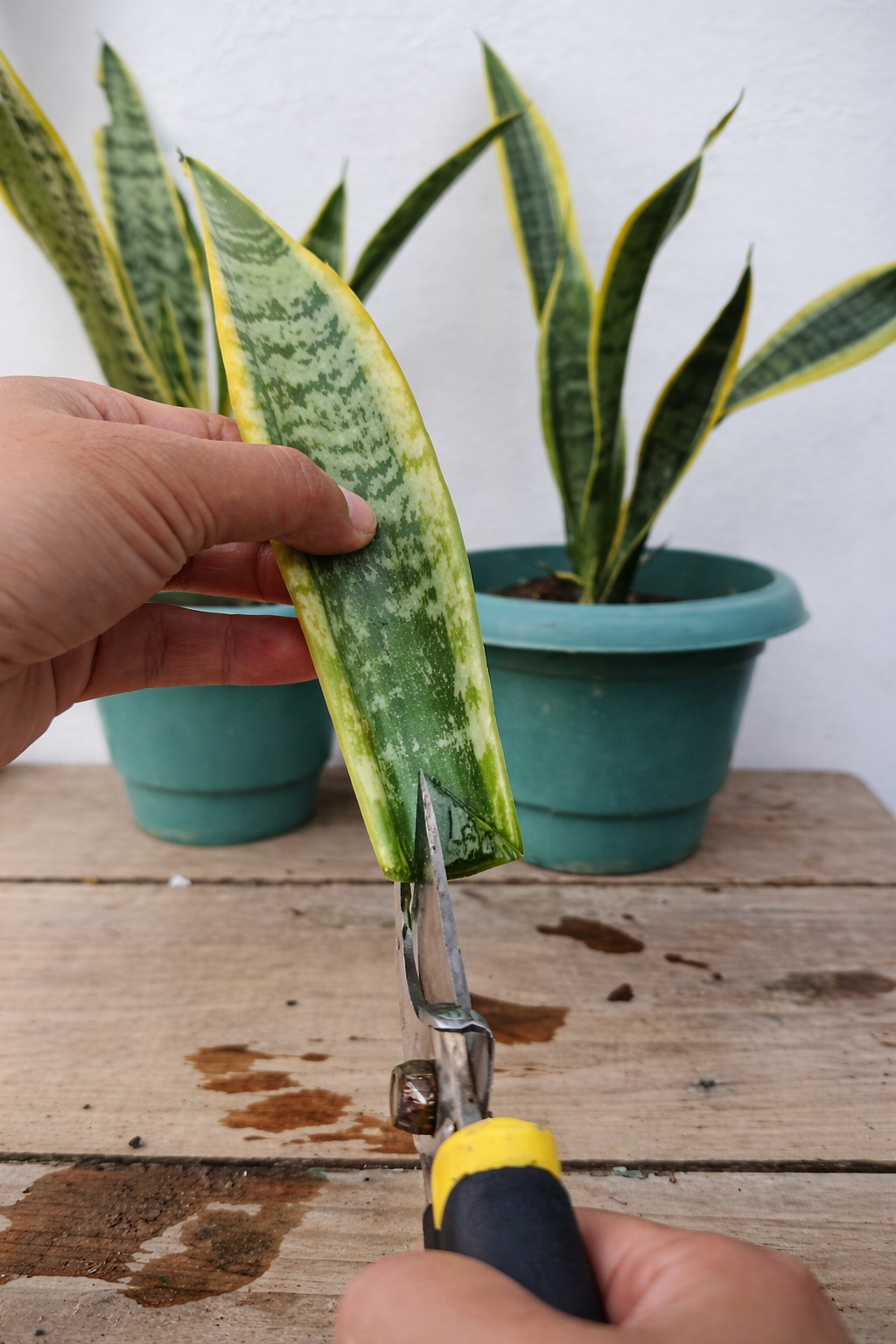
2️⃣ Make a Clean Cut
Use sanitized scissors or pruning shears and cut the leaf into sections around 5–10 cm long.
Keep track of which side is the bottom — orientation matters for rooting.
3️⃣ Let the Cutting Dry
Allow the cut edges to dry for 24–48 hours. This helps prevent rot once planted.
4️⃣ Plant in Fast-Draining Soil
Insert the bottom side of each cutting into succulent or cactus mix.
Keep the soil lightly moist, never soggy.
5️⃣ Place in Bright Indirect Light
Consistent lighting encourages new root growth. Designers often place propagation pots near windows to combine plant care with decorative staging.
📊 Propagation Setup Guide
| Propagation Element | Best Practice | Growth Benefit |
|---|---|---|
| Leaf Selection | Firm mature leaf | Strong rooting potential |
| Cutting Size | Small sections | Multiple new plants |
| Soil Mix | Succulent blend | Prevents rot |
| Light | Bright indirect | Faster root formation |
| Watering | Light & controlled | Healthy development |
🌿 Care Tips After Planting Cuttings
- Water only when soil dries completely
- Avoid direct harsh sunlight
- Keep temperatures stable indoors
- Use breathable pots for airflow
As new shoots begin forming, the plant gradually becomes fuller — which is why propagated snake plants are often used in modern interior decor and staged homes.
❓ Garden FAQ — Snake Plant Propagation (10 Questions)
1. How long do snake plant cuttings take to root? Usually several weeks depending on light and temperature.
2. Can I propagate in water instead of soil? Yes, but soil helps plants adapt faster long-term.
3. Why is my cutting not growing? Low light or excess moisture are common reasons.
4. Should I fertilize new cuttings? Wait until roots are established.
5. Do variegated leaves stay variegated? Sometimes propagation returns to green growth.
6. Is indirect light enough? Yes — snake plants prefer bright filtered light.
7. Can beginners try this method? It’s one of the easiest indoor propagation techniques.
8. What pot size works best? Small containers encourage stronger root focus.
9. Do cuttings grow faster in warm rooms? Moderate warmth helps speed development.
10. Biggest mistake? Overwatering before roots form.
🌿 From Plant Care to Interior Styling
As propagated snake plants begin producing new leaves, they stop looking like simple houseplants and start acting as design elements. Their vertical structure adds height and balance to living spaces, which is why interior stylists frequently include them in modern apartments and staged homes.
Designers often combine structured plants with minimal decor to create a clean, premium atmosphere. A single propagated snake plant can transform a desk, shelf, or entryway into a styled focal point.