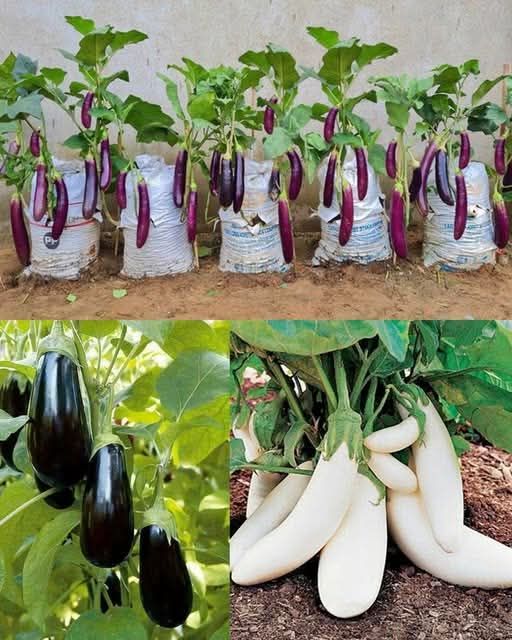
Achieve a Bountiful Eggplant Harvest with These Masterful Growing Tips
Eggplants are a fantastic addition to any garden, providing not only a delicious harvest but also vibrant, glossy fruits that are a joy to grow. Whether you’re a seasoned gardener or just getting started, cultivating eggplants can be incredibly rewarding with the right care and attention. Follow these expert tips to ensure your eggplants thrive and yield a bountiful harvest!
1. Choose the Right Variety for Your Region
Before planting eggplants, it’s essential to select the right variety for your climate and growing conditions. Eggplants thrive in warm weather, so choosing varieties suited for your specific region is crucial.
- Compact Varieties: If you’re growing in containers or have limited space, opt for smaller varieties like ‘Baby Eggplant’ or ‘Fairy Tale’.
- Standard Varieties: If you have a larger space or garden bed, ‘Black Beauty’ and ‘Ichiban’ are popular options known for their abundant yields.
Make sure to choose varieties that are resistant to common pests and diseases in your region.
2. Plant at the Right Time
Eggplants are heat-loving plants, so it’s vital to plant them when the weather is consistently warm. They require a minimum soil temperature of 70°F (21°C) for optimal growth. Follow these guidelines for the best planting time:
- Indoor Seed Starting: Start your seeds indoors 8-10 weeks before the last frost. This gives your plants a head start, especially in regions with short growing seasons.
- Transplanting Outdoors: Wait until all danger of frost has passed and nighttime temperatures consistently stay above 60°F (15°C) before transplanting your eggplant seedlings into the garden.
3. Choose the Perfect Growing Location
Eggplants need plenty of sunlight to thrive. Choose a full-sun location that receives at least 6-8 hours of direct sunlight each day. Sunlight encourages healthy growth and promotes fruit production. Ensure the following:
- Well-Draining Soil: Eggplants prefer loamy, well-draining soil. The soil should be rich in organic matter, so consider mixing in compost or well-rotted manure before planting.
- Spacing: Space your plants at least 18-24 inches apart to ensure proper air circulation, which reduces the risk of disease.
4. Provide Consistent Watering
Eggplants need consistent moisture to grow healthy and strong. However, they don’t like wet feet (saturated roots), so it’s essential to strike a balance:
- Watering Schedule: Water deeply once a week, especially during dry spells, to ensure the water reaches the deep roots.
- Avoid Overhead Watering: Water at the base of the plant to avoid wetting the leaves, which can lead to fungal diseases.
- Mulching: Apply a layer of mulch around the plants to help retain moisture, suppress weeds, and keep the soil temperature consistent.
5. Fertilize Regularly
Eggplants are heavy feeders, meaning they need plenty of nutrients to grow strong and produce a bountiful harvest. Use these fertilizing tips to maximize your eggplant yield:
- Pre-Plant Fertilizing: Before planting, amend the soil with organic compost or a balanced slow-release fertilizer to boost soil fertility.
- Mid-Growth Fertilizing: Apply a balanced fertilizer or high-potassium fertilizer (which promotes fruit production) once the plants begin flowering.
- Avoid Excessive Nitrogen: While nitrogen is essential for vegetative growth, too much nitrogen can encourage excessive leaf growth at the expense of fruiting.
6. Prune Your Plants for Better Yields
Pruning helps encourage healthier growth and more fruit production. Here’s how to do it right:
- Remove Suckers: Pinch off side shoots (suckers) that grow from the main stem, especially early in the season. This allows the plant to focus its energy on producing fruit rather than excessive foliage.
- Remove Yellowing or Damaged Leaves: This improves airflow around the plant and reduces the chances of disease.
7. Watch for Pests and Diseases
Eggplants are susceptible to several pests and diseases, including aphids, flea beetles, and blight. Take preventative measures to keep them at bay:
- Pest Control: Use insecticidal soap or neem oil to control pests like aphids and flea beetles. You can also introduce natural predators like ladybugs to help keep pest numbers down.
- Disease Prevention: Ensure good air circulation around the plants to reduce humidity, which can encourage fungal diseases like blight and powdery mildew. Remove any infected leaves immediately.
- Row Covers: Use floating row covers to protect young seedlings from pests, especially early in the season.
8. Harvesting Eggplants at the Right Time
Timing is crucial when it comes to harvesting eggplants. Harvest them too early, and the flavor will be bitter. Harvest them too late, and they can become overripe and spongy. Here’s how to get it just right:
- Look for Glossy Skin: Harvest eggplants when they are firm, smooth, and glossy. The skin should not be wrinkled or dull.
- Test Firmness: Gently press your finger against the skin—if it bounces back, the eggplant is ready. If your finger leaves an indentation, the fruit is still immature.
- Use Sharp Pruners: Use sharp garden shears or pruners to cut the stem about an inch above the fruit. This prevents damage to the plant.
9. Encourage Continuous Harvesting
To encourage your eggplants to keep producing, regularly harvest ripe fruits. This will:
- Prevent Overcrowding: Harvesting ensures the plant doesn’t waste energy on overripe fruits, allowing it to continue producing new buds and flowers.
- Improve Plant Health: Keeping the plant free of overripe or damaged fruit will improve overall plant health and vigor.
10. Winter Care for Perennial Eggplants
In some regions, eggplants can be grown as perennials. If you live in a mild climate, you can save your eggplants for the next season by following these tips:
- Cut Back the Plant: After the first frost, prune the plant back to just above the soil line.
- Mulch Heavily: Apply heavy mulch around the base of the plant to protect the roots from winter temperatures.
- Bring Indoors (for Containers): If you’re growing in containers, bring the plants indoors to a cool, bright location during the winter months.
Conclusion
By following these expert tips, you can enjoy a bountiful eggplant harvest with vibrant, delicious fruits. Whether you’re growing in a garden bed or containers, eggplants thrive with the right care. Choose the right variety, maintain consistent watering and fertilizing, prune properly, and watch out for pests and diseases to achieve success. Happy gardening!