
Corn Silk Tea Benefits: What It Supports + How to Make It Safely
Introduction: The “Corn Hair” Most People Throw Away
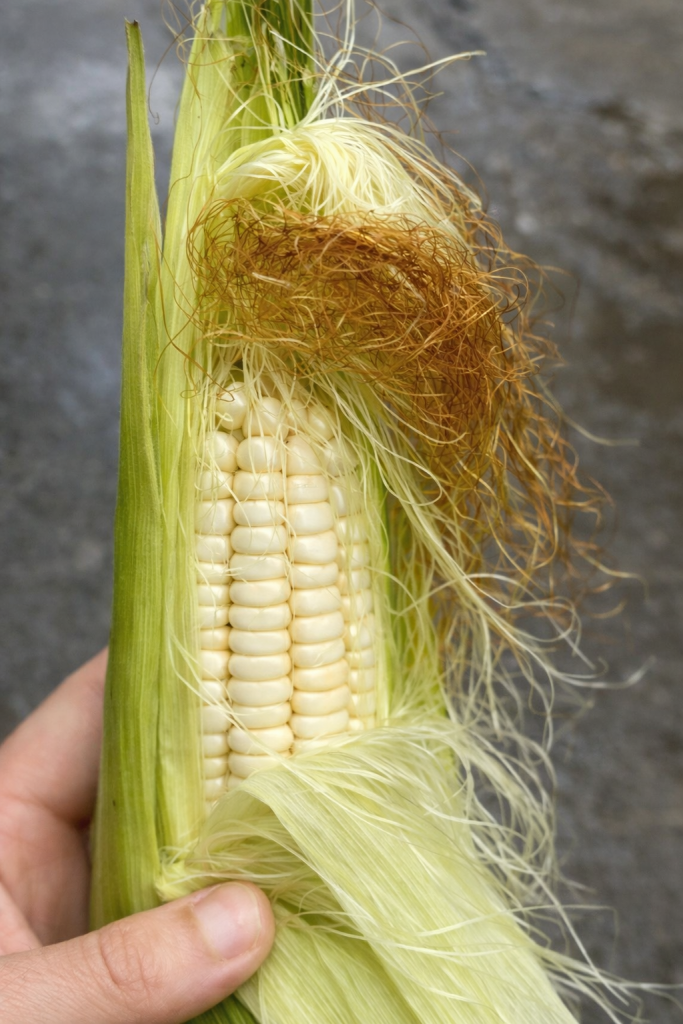
Corn silk — those thin, thread-like strands found under corn husks — is one of the most overlooked kitchen treasures. In many homes, it’s simply tossed in the trash. But for generations, corn silk has been used as a gentle herbal tea to support everyday wellness.
Today, this traditional remedy is making a comeback — not as medicine, but as a simple, natural tea that many people enjoy for hydration, comfort, and body balance.
In this guide, you’ll learn what corn silk tea may support, how to prepare it safely, how often people drink it, plus storage tips (the jar method) so you never waste it again.
Disclaimer: This article is for educational purposes only and does not replace medical advice. If you have a health condition or take medication, consult a healthcare professional before using herbal teas.
What Is Corn Silk?
Corn silk is the soft, silky strands attached to the ear of corn. When corn is fresh, it’s usually pale green or yellow. As it dries, it turns golden.
Corn silk has been used in traditional wellness practices as:
- a gentle herbal infusion (tea)
- a warm comfort drink
- a natural hydration support beverage
It contains plant compounds and natural antioxidants, which is why many people include it in their wellness routines.
Corn Silk Tea Benefits: What It Supports
Corn silk tea is best described as a gentle wellness tea — not a cure, but a supportive drink. Many people use it to complement a healthy lifestyle.
Here are the most popular ways people use it:
1) Hydration Support
Corn silk tea is naturally caffeine-free, so it can be a good alternative to coffee or sugary drinks. Many people drink it as a warm hydration option.
✅ Best for:
- replacing sweet beverages
- warm hydration in colder months
2) Water Balance & Comfort (Traditional Use)
Corn silk tea has a long tradition of being used to support water balance. Some people enjoy it during times they feel heavy, puffy, or uncomfortable.
✅ Often used for:
- occasional puffiness
- water retention comfort
- post-meal heaviness
3) Digestive Comfort
Many herbal teas are used after meals to support digestion. Corn silk tea is mild, making it a popular choice for people who want something gentle.
✅ People drink it for:
- bloating comfort
- light digestive support after meals
4) Urinary Tract Wellness Support (Traditional Use)
Corn silk tea is widely used in traditional wellness for urinary comfort. It does not treat infections, but it is commonly used as a supportive tea for hydration and comfort.
✅ Common wellness use:
- hydration support
- urinary system comfort (traditional)
⚠️ If you have pain, fever, or persistent symptoms, consult a professional.
5) Antioxidant Support
Corn silk contains natural plant compounds (including antioxidants). Many people include antioxidant-rich foods and teas to support overall wellness and healthy aging.
✅ Wellness focus:
- everyday antioxidant support
- part of a balanced lifestyle
Corn Silk Tea Recipe (Simple + Safe)
This is the classic “grandma method” — simple, gentle, and easy.
Ingredients
- 1–2 tablespoons dried corn silk (or a small handful fresh)
- 2 cups hot water
- Optional: lemon slice, ginger, cinnamon stick, honey
Instructions
- Rinse corn silk quickly (especially if fresh).
- Add corn silk into a cup or teapot.
- Pour hot water over it.
- Cover and steep for 10–15 minutes.
- Strain and enjoy warm.
✅ Tip: If you want stronger flavor, steep longer — but don’t boil it aggressively.
How to Dry Corn Silk (Jar Method)
This is the best way to store corn silk for months.
Step-by-Step
- Collect corn silk from fresh corn.
- Spread it on a clean tray or paper towel.
- Let it air dry in a clean dry room for 2–3 days (until fully dry).
- Store it in a mason jar with a lid.
- Keep the jar in a cool, dark place.
✅ Storage Tip: Add a small food-safe silica pack (optional) to keep it extra dry.
How Often Can You Drink Corn Silk Tea?
Most people use corn silk tea like any herbal tea — gently and occasionally.
✅ Typical wellness routine:
- 1 cup per day, a few times per week
or - 1 cup daily for a short period, then take a break
⚠️ Avoid excessive use. Herbal teas work best in moderation.
Best Time to Drink Corn Silk Tea
Depending on your goal:
✅ Morning:
- light hydration support
✅ After meals:
- digestive comfort routine
✅ Evening:
- caffeine-free warm drink before bed
Corn Silk Tea Side Effects (Important Safety Notes)
Corn silk tea is usually considered gentle, but any herb can have effects in certain situations.
Be cautious if:
- you are pregnant or breastfeeding
- you have kidney disease
- you take diuretic medication
- you take blood pressure medication
- you take diabetes medication (blood sugar support teas may interact)
If unsure, consult a professional.
Corn Silk Tea Add-Ins (Make It Taste Better)
Corn silk tea is mild, so it pairs well with many natural flavors:
✅ Best combinations:
- corn silk + lemon
- corn silk + ginger
- corn silk + cinnamon
- corn silk + mint
- corn silk + honey
Quick FAQ
Does corn silk tea taste good?
It’s mild and slightly grassy. Most people prefer it with lemon or ginger.
Can you drink corn silk tea every day?
Some people do, but it’s best to use herbal teas in moderation and take breaks.
Can you use fresh corn silk?
Yes. Fresh silk works well — just rinse first.
Conclusion
Corn silk tea is a simple wellness drink that turns kitchen “waste” into something valuable. It’s caffeine-free, gentle, and easy to prepare — and it has a long tradition of supporting hydration and comfort.
If you want to start, try the jar method: dry it, store it, and enjoy it as a simple herbal tea whenever you need a warm, comforting drink.