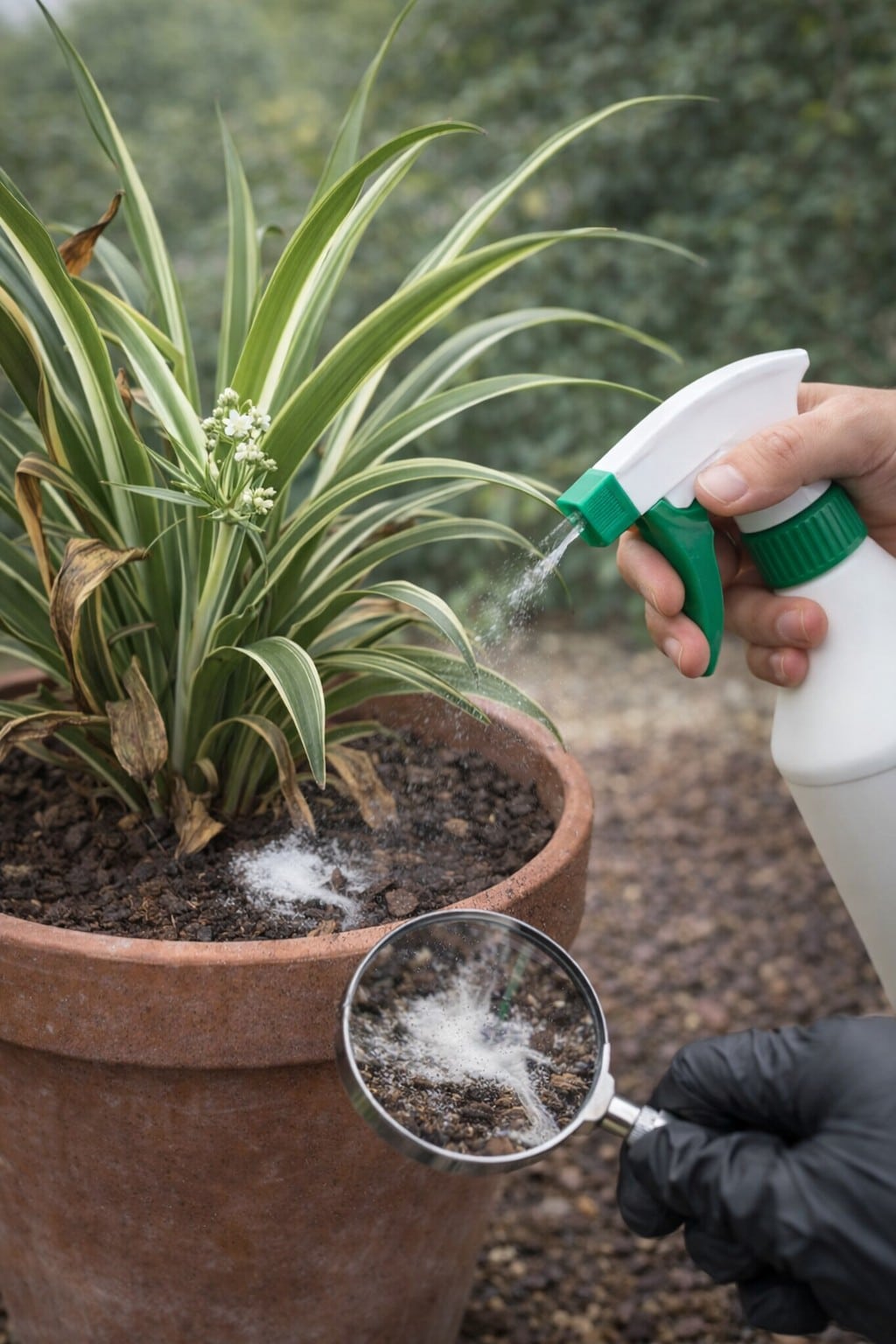
Spider plants are loved for their arching leaves, easy-going nature, and fresh decorative look. They are one of the most popular houseplants for shelves, side tables, window areas, and hanging planters because they bring movement and color into a room without asking for too much care.
But when the soil turns unhealthy, the plant often starts showing it fast. The leaves may lose their crisp look, brown tips may become more noticeable, growth may slow down, and the whole pot can start looking tired. In many cases, the real problem is not the leaves first. It is the condition of the soil under the plant.
Smart plant owners know that sick spider plant soil can affect everything above it. If the potting mix is staying too wet, becoming compacted, growing mold, or collecting mineral buildup, the plant may stop looking fresh no matter what you spray on the leaves.
In this guide, you will learn how to fix sick spider plant soil, what causes the problem, how to make the plant look healthy again, and what simple steps help keep the soil fresh and plant-friendly over time.
Why Spider Plant Soil Matters So Much
Spider plants are not especially difficult, but they do prefer a healthy root environment. When the soil becomes stale, soggy, crusty, or poorly aerated, the roots cannot work the way they should.
Healthy soil helps a spider plant:
- absorb water more evenly
- avoid root stress
- produce fresher leaves
- grow stronger baby plantlets
- maintain a fuller shape
- recover faster from minor problems
If the soil is unhealthy, the plant may still survive for a while, but it usually stops looking its best.
Signs Your Spider Plant Soil Is Unhealthy
The first clues often appear in the pot before the plant declines badly.
Common signs include:
- white crust on the soil surface
- fuzzy mold or fungus on topsoil
- soil that stays wet too long
- a sour or stale smell
- compacted mix that feels heavy
- slow drainage after watering
- leaf browning that keeps returning
These signs usually mean the growing environment needs attention, not just the foliage.
Why Spider Plant Soil Goes Bad Indoors
Indoor pots do not refresh themselves the way outdoor soil does. Over time, watering, salts, dust, old roots, and breakdown of organic material can all affect the mix.
Common causes of sick soil include:
- overwatering
- poor drainage
- dense potting mix
- old soil that has broken down
- mineral buildup from tap water
- low airflow around the pot
- organic debris sitting on the surface too long
The longer these issues continue, the more the root zone suffers.
White Fuzz or Mold on Spider Plant Soil
A white fuzzy layer on top of the soil often alarms plant owners, but it usually means the surface is staying too damp and lacking airflow rather than the whole plant being beyond saving.
This often happens when:
- watering is too frequent
- the pot sits in a humid still area
- the topsoil stays constantly moist
- the mix is too dense
- dead leaves are left on the soil surface
In many cases, the plant can recover well once the surface conditions improve.
Salt and Mineral Buildup Can Make Soil Look Sick
Spider plants are known for reacting to excess minerals and salts, especially from tap water or repeated feeding. This buildup can create a white crust or dusty layer that makes the soil look unhealthy and can stress the roots over time.
This may lead to:
- brown leaf tips
- slower growth
- a dry crust on top of the soil
- roots becoming less comfortable in the pot
- an overall tired-looking plant
That is why sick spider plant soil is not always caused by mold alone.
How to Fix Sick Spider Plant Soil
The best solution depends on how severe the problem is, but in many cases, the fix starts with cleaning up the soil surface and correcting moisture levels.
A smart reset often includes:
- Remove dead leaves and debris from the soil surface.
- Gently scrape away the worst top layer if it is moldy or crusted.
- Let the soil dry appropriately before watering again.
- Check whether the pot drains freely.
- Increase airflow and bright indirect light.
- Repot if the mix is old, compacted, or sour-smelling.
This kind of reset usually helps much more than spraying random products on the leaves.
When You Should Repot Instead of Just Treating the Top Layer
Sometimes the problem is deeper than the soil surface. If the mix is old, dense, or smelly throughout the pot, it is usually better to repot fully rather than trying to patch it.
Repotting is often the better choice when:
- water sits too long in the pot
- the soil smells bad
- roots seem crowded
- mold keeps returning
- the plant has slowed down noticeably
- the potting mix feels heavy and compacted
Fresh mix often makes a huge difference in how quickly a spider plant starts looking better.
Best Soil for a Healthier Spider Plant
Spider plants like soil that holds some moisture but still drains well. They do not want a heavy soggy mix, and they do not do best in tightly packed soil that stays wet for too long.
A better soil setup usually includes:
- quality indoor potting mix
- added perlite or pumice
- a loose airy texture
- a pot with drainage holes
- enough structure to drain but not dry out too harshly
Balanced soil helps the roots breathe while still giving the plant steady support.
How Watering Affects Soil Health
Many sick soil problems begin with watering habits. Spider plants like moderate moisture, but they do not want constantly wet roots.
A better watering rhythm usually means:
- checking the soil before watering
- letting the top layer dry somewhat first
- never leaving the pot sitting in excess water
- avoiding automatic watering schedules without checking the plant
This simple change alone can stop many soil problems from coming back.
How to Make the Spider Plant Look Healthy Again
Once the soil starts improving, the plant usually has a better chance to recover visually too. But the recovery also depends on basic care being corrected at the same time.
To help it look better again:
- move it to bright indirect light
- trim badly brown leaf tips if needed
- avoid overwatering
- refresh the soil if old
- use a pot with good drainage
- keep the foliage clean and dust-free
The goal is to support both the roots and the visible part of the plant.
Brown Tips and Sick Soil Often Go Together
Spider plants are famous for brown tips, and while that can have several causes, poor soil often makes the problem worse.
Brown tips may be linked to:
- mineral buildup
- inconsistent watering
- soggy roots followed by stress
- stale compacted soil
- excess fertilizer salts
If the soil is corrected, the plant often starts producing cleaner new growth even if old tips stay brown.
Should You Use Tap Water?
Spider plants can be sensitive to minerals in water. In some homes, repeated tap watering contributes to crusty soil and brown tips.
A gentler approach may include:
- letting tap water sit before use
- flushing the pot occasionally
- using filtered water when practical
- avoiding excessive fertilizer buildup
This can help the soil stay fresher over time.
How to Flush Spider Plant Soil
If the problem is mineral buildup rather than heavy rot or compaction, flushing the soil may help.
A simple flush means:
- watering deeply until excess drains out
- allowing water to carry out extra salts
- not leaving the plant sitting in runoff afterward
This is not a fix for rotten dense soil, but it can help reduce buildup in otherwise decent potting mix.
Quick Spider Plant Soil Problem Table
| Soil Issue | What It Can Cause |
|---|---|
| Moldy topsoil | Stale surface, damp conditions |
| Mineral crust | Brown tips, root stress |
| Compacted soil | Poor drainage, weak growth |
| Overwatering | Root stress, tired foliage |
| Old broken-down mix | Slow growth, dull appearance |
| Poor drainage | Recurring soil problems |
How Long Recovery Usually Takes
Spider plants do not always look better overnight. Once the soil is corrected, the old damaged leaves may stay marked, but the new growth often tells the real story.
Good signs of recovery include:
- cleaner new leaves
- stronger center growth
- less drooping
- better leaf color
- fresher overall posture
- fewer new brown tips
Focus on the new growth more than the old damaged parts.
Why Healthy Soil Makes the Plant More Decorative
Spider plants are often used in home decor because they look lively, soft, and fresh. But that effect depends on healthy growth. Sick soil leads to tired foliage, and tired foliage weakens the look of the whole room.
Healthy soil supports a plant that looks:
- fuller
- cleaner
- greener
- more elegant
- better suited to indoor styling
That is why fixing the soil often improves both plant health and room presentation.
Frequently Asked Questions
Why is there white stuff on my spider plant soil?
It may be mold or mineral buildup. Both usually point to moisture or watering issues that should be checked.
Can sick spider plant soil make leaves brown?
Yes. Poor soil conditions often contribute to brown tips and weaker-looking growth.
Should I remove moldy topsoil?
Yes, gently removing the affected surface can help, especially if you also correct watering and airflow.
When should I repot a spider plant?
Repot when the soil is old, compacted, smelly, slow-draining, or when problems keep coming back.
What kind of soil is best?
A loose, well-draining indoor mix with added perlite usually works well.
Can spider plants recover after soil problems?
Yes. They often recover well once the soil and watering routine improve.
Is tap water bad for spider plants?
In some homes it can contribute to mineral buildup and brown tips over time.
What should I check first?
Check soil moisture, drainage, and whether the mix smells stale or feels compacted.