If You Don’t Have These at Home, Start Growing Some Today…
Growing your own food at home has become increasingly popular, and for good reason. Not only is it a rewarding hobby, but it also offers numerous benefits, such as access to fresh, healthy produce, cost savings, and even the ability to grow unique plants that aren’t readily available at the store. Whether you have a large garden or just a small balcony, there are certain plants you should consider growing at home to enhance your diet and your living space.
Here are some essential plants that are easy to grow and will add value to your home:
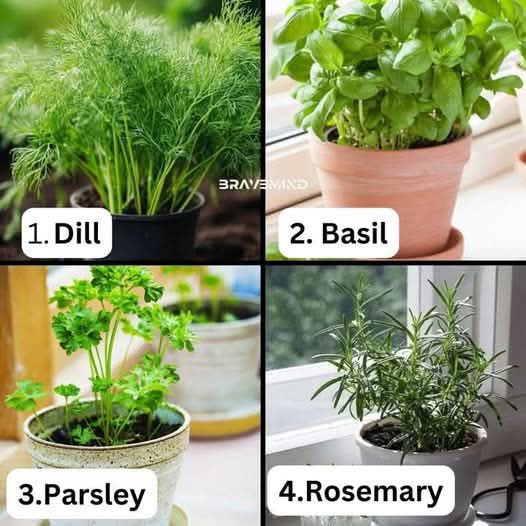
1. Herbs (Basil, Mint, Parsley, and Cilantro)
Herbs are some of the easiest and most versatile plants to grow at home. Whether you’re a beginner or an experienced gardener, herbs like basil, mint, parsley, and cilantro are perfect for a kitchen garden. These herbs can be used in cooking, and having them fresh at hand adds incredible flavor to your meals.
- Basil: Great for Italian dishes, pesto, or as a garnish.
- Mint: Adds a refreshing flavor to teas, cocktails, and desserts.
- Parsley: A versatile herb, perfect for salads, soups, and as a garnish.
- Cilantro: Essential in many Mexican and Asian dishes.
How to Grow:
- Herbs grow well in containers or window boxes. Just make sure they get plenty of sunlight and are watered regularly.
2. Lettuce and Salad Greens
Lettuce and salad greens such as spinach, arugula, and kale are easy-to-grow vegetables that thrive in cooler temperatures. They can be grown in pots, raised beds, or even indoor gardens.
- Lettuce: A staple for salads, sandwiches, and wraps.
- Spinach: Rich in iron and vitamins, perfect for smoothies, salads, or cooked dishes.
- Kale: A superfood that can be used in salads, smoothies, or baked into chips.
How to Grow:
- Lettuce and salad greens need cool weather, so they’re ideal for planting in early spring or fall. These plants thrive in well-draining soil and partial to full sunlight.
3. Tomatoes
Tomatoes are incredibly popular and rewarding to grow at home. They can be grown in containers, raised beds, or garden plots and are perfect for any space, whether large or small.
- Cherry tomatoes: Great for snacking or adding to salads.
- Roma tomatoes: Perfect for making sauces, soups, and pastes.
How to Grow:
- Tomatoes need full sunlight (at least 6-8 hours a day) and well-drained soil. They can also be grown in containers if you’re short on space.
4. Peppers (Bell Peppers and Hot Peppers)
Whether you prefer sweet or spicy, peppers are easy to grow and offer endless culinary possibilities. Bell peppers are a great addition to salads, stir-fries, and sandwiches, while hot peppers add heat to dishes like salsas and curries.
How to Grow:
- Peppers love warm temperatures and need full sun. Plant them after the last frost has passed and ensure they have good drainage.
5. Garlic
Garlic is a highly rewarding plant to grow at home. It’s essential in nearly every cuisine and is packed with health benefits, including boosting the immune system and providing antibacterial properties.
How to Grow:
- Garlic is grown from cloves. Simply plant individual cloves in the fall, ensuring they are well-spaced in rich, well-draining soil. Harvest the garlic once the leaves start to dry out in late summer.
6. Strawberries
If you want to grow your own fruit at home, strawberries are a great choice. They thrive in containers, hanging baskets, or garden beds and provide fresh, delicious fruit throughout the summer.
How to Grow:
- Strawberries need full sun and well-drained soil. They can be grown from bare-root plants or seedlings.
7. Green Beans
Green beans are a perfect plant for beginner gardeners because they are simple to grow and offer high yields. They don’t require a lot of space, making them ideal for small gardens, raised beds, or containers.
How to Grow:
- Green beans prefer full sun and should be planted in loamy, well-drained soil. These plants do best when grown on a trellis or support structure to allow for vertical growth.
8. Carrots
Carrots are another great choice for home gardeners, and they are relatively easy to grow. Whether you prefer traditional orange carrots or colorful varieties like purple or red, these root vegetables are full of nutrients.
How to Grow:
- Carrots prefer loose, sandy soil and full sun. They can be grown in raised beds or containers, but make sure the soil is deep enough for the long taproot to grow.
9. Cucumbers
Cucumbers grow rapidly and are perfect for warm, sunny gardens. They can be used fresh in salads or preserved in jars as pickles.
How to Grow:
- Cucumbers thrive in full sun and warm temperatures. They grow well on trellises to save space, making them perfect for container gardening.
10. Herbs for Tea (Lemon Balm, Chamomile, and Lavender)
Herbal teas are soothing and beneficial for overall well-being. Growing your own tea herbs, such as lemon balm, chamomile, and lavender, allows you to enjoy fresh, homemade brews anytime.
- Lemon Balm: A refreshing, citrus-flavored herb known for its calming effects.
- Chamomile: Known for its calming properties and soothing effect on the stomach.
- Lavender: Perfect for making calming teas or adding a fragrant note to herbal blends.
How to Grow:
- These herbs prefer well-drained soil and sunny locations. Harvest the leaves when they are in full bloom for the best flavor.
Conclusion:
Growing your own food at home is a rewarding and fulfilling experience that provides you with fresh produce and enhances your home’s environment. Whether you have a sprawling garden or just a few containers on your balcony, there are countless plants you can grow, from herbs and vegetables to fruit-bearing plants. Start growing these essentials today, and you’ll enjoy fresh, homegrown food right at your fingertips. 🌱